Stanc.
2020
Industrial Design | Personal concept work
Industrial Design | Personal concept work
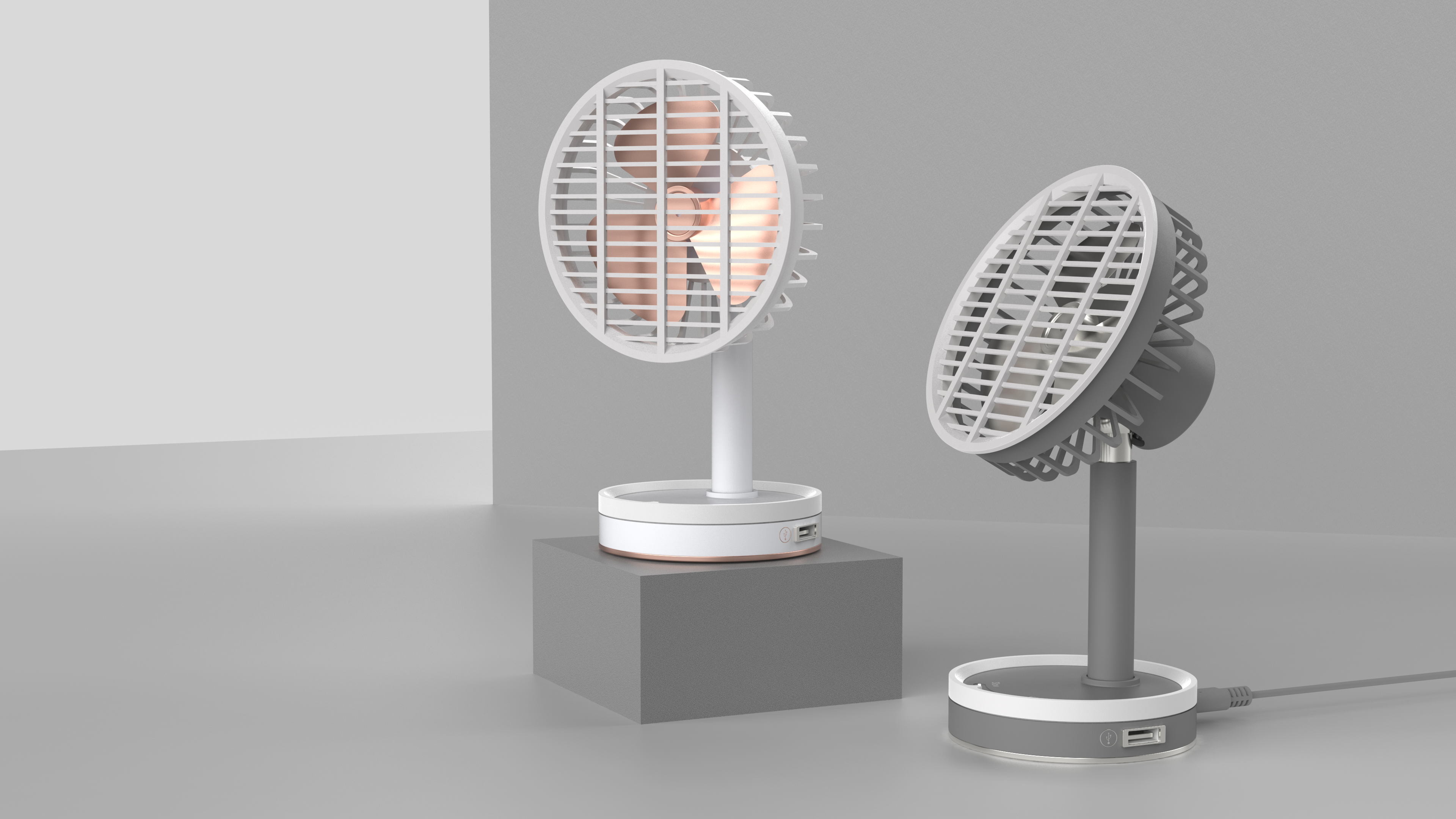
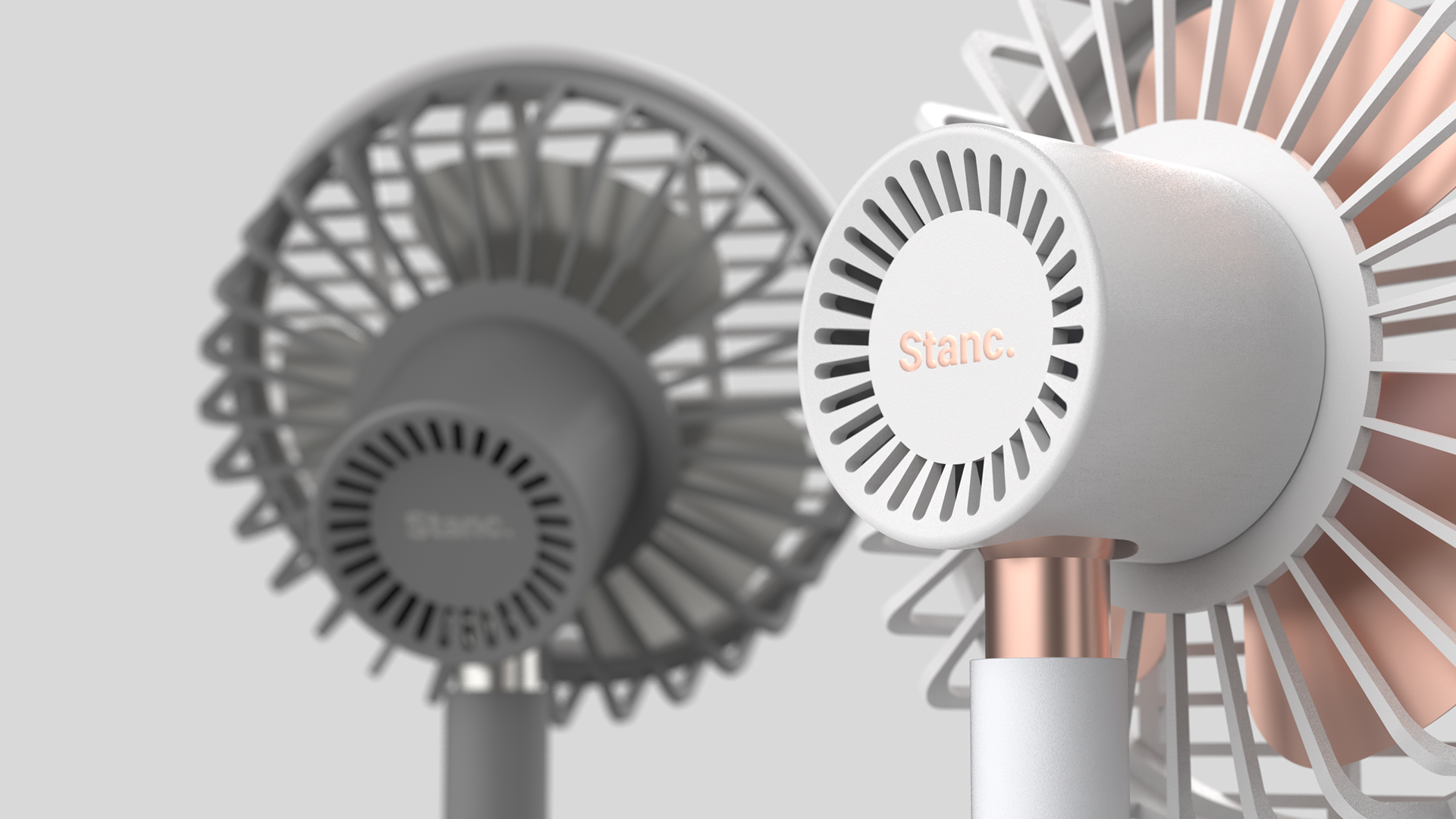
Stanc is a personal project exploring the relationship between form, function, and emotion in everyday products. The fundamental structure of a desk fan is retained while rethinking its form and interaction to create a stronger sense of ownership, identity, and personal connection.
At the workplace, everyone has different preferences for temperature, airflow, and lighting. Central air conditioning offers limited control over individual comfort, making personal environmental control increasingly important. Thoughtful airflow and lighting can contribute to a more comfortable and productive workspace.
Stanc is designed as a personal comfort companion for the desk—giving users greater control over their immediate environment while adding character to their workspace. Beyond simply moving air, it aims to make the everyday work experience more comfortable, personal, and enjoyable.
Setting the design language
/product semantics & design direction
/product semantics & design direction
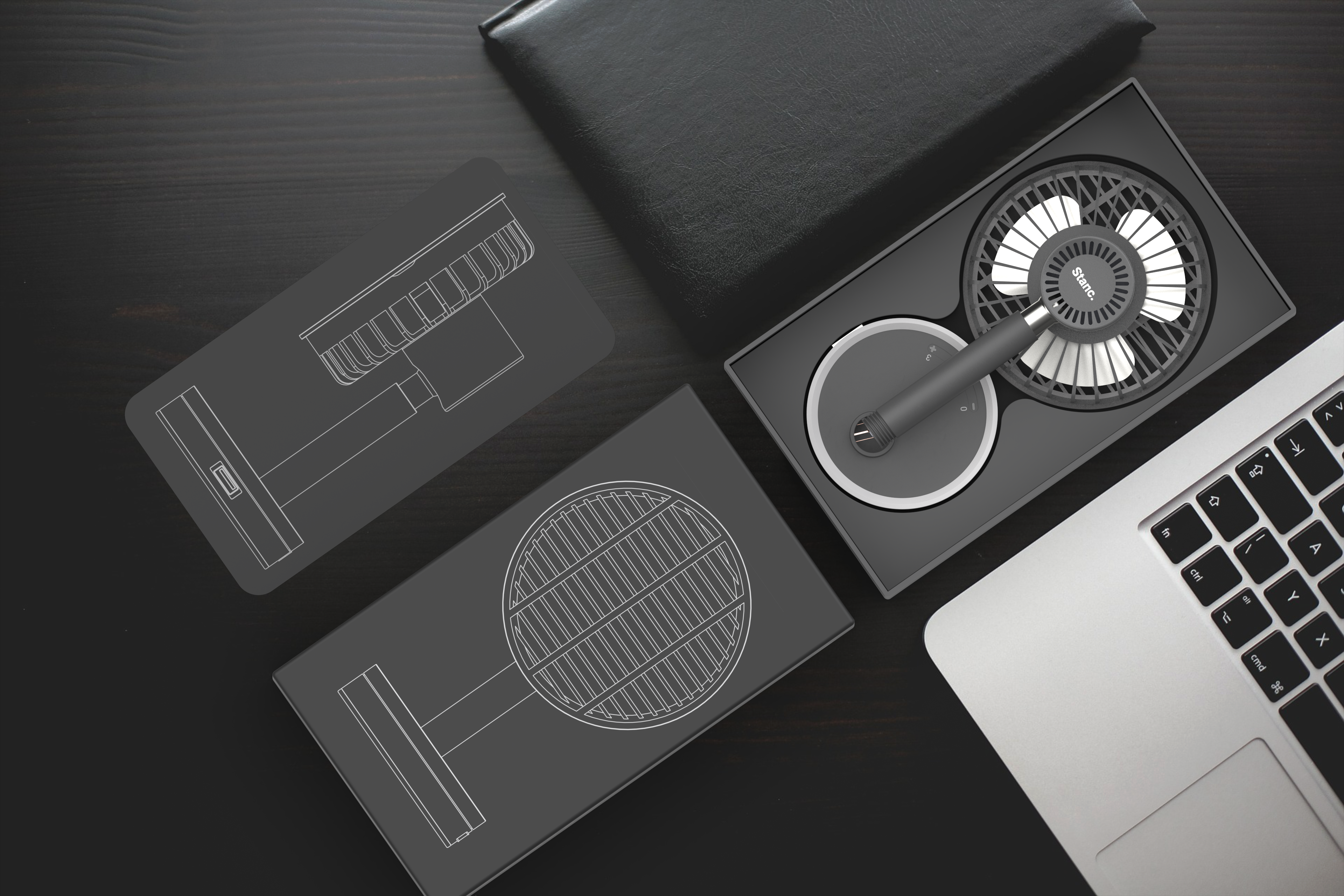
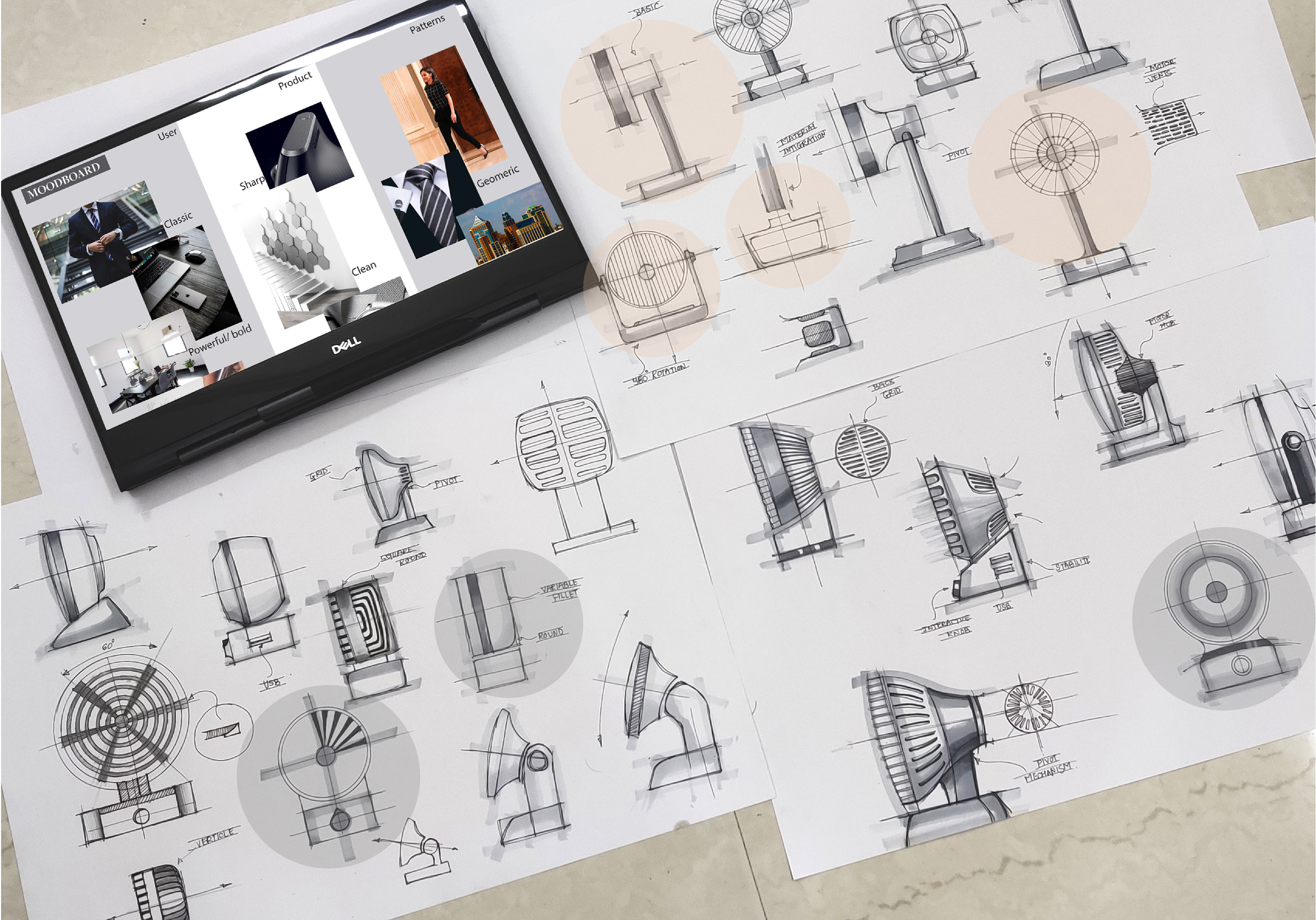
The design process brings together research insights to define the user, context, and key design attributes.
User attributes translate research into a clear user persona, while product attributes are derived from this persona to establish the product’s design language and character.
Bird’s eye view.
/a design decision wall
/a design decision wall
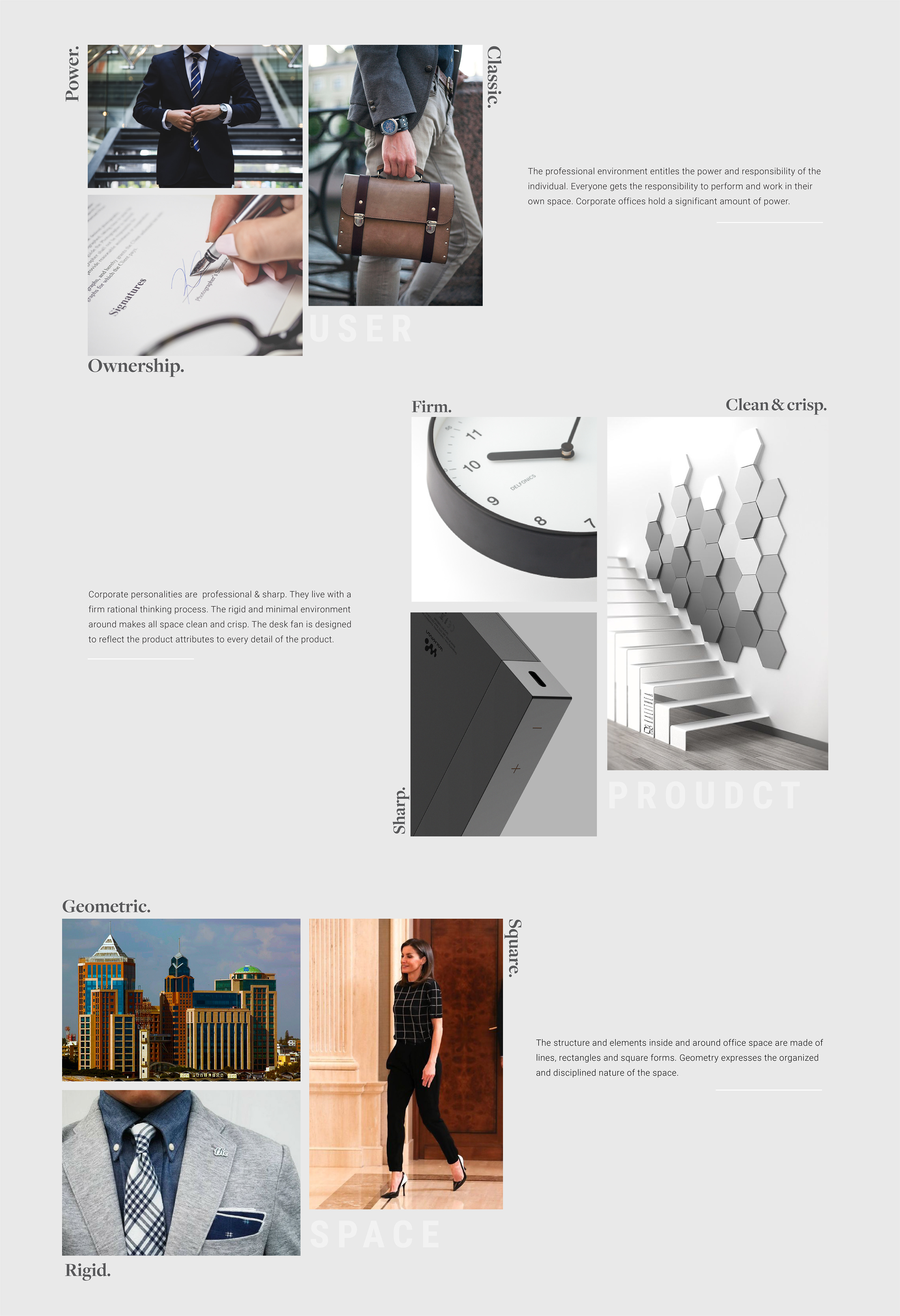
Design research covers the product category, competitor landscape, market context, user journey, and key problem areas to identify meaningful design opportunities.
Ideation explores a broad range of possibilities through quick doodling, divergent brainstorming, and concept sketching.
Research insights and design explorations are brought together on a visual working wall to connect the dots and support concept decisions. Having the information at a glance creates clarity, builds empathy, and opens up new creative directions.
The final concept brings together selected design details across form, function, and emotion, creating a cohesive product experience.
Detailing the design.
/Product proportions, design harmony and defining details
/Product proportions, design harmony and defining details
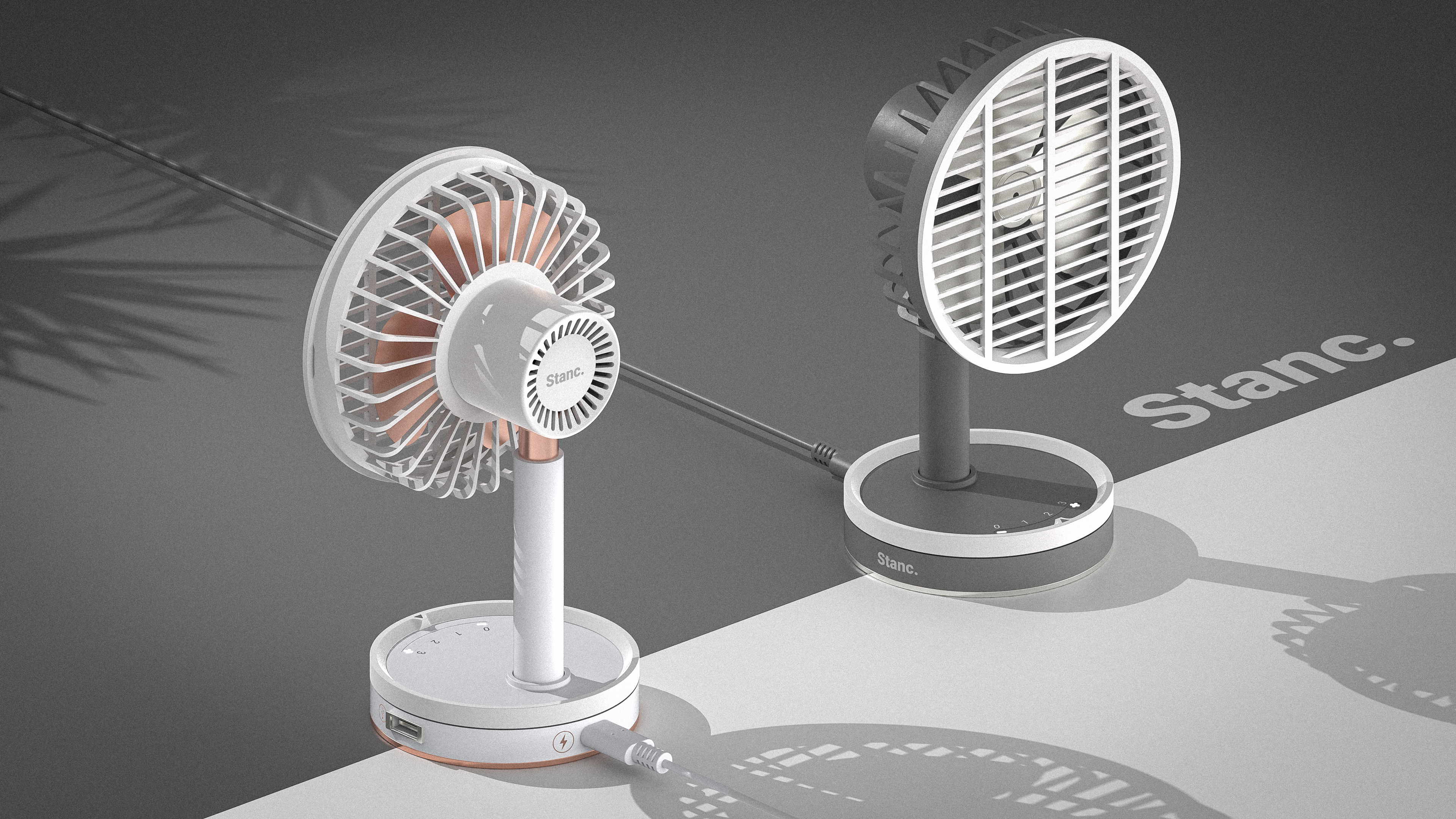
Three product configuration directions were explored, with one selected based on research insights, user persona, and the defined design language.
Key functions were integrated into the form, balancing user relevance, interaction, and product feasibility:
- An additional USB port for convenient connectivity.
- Partial assembly to create a sense of ownership through the IKEA effect.
- Intuitive human–product interaction through clear and natural touchpoints.
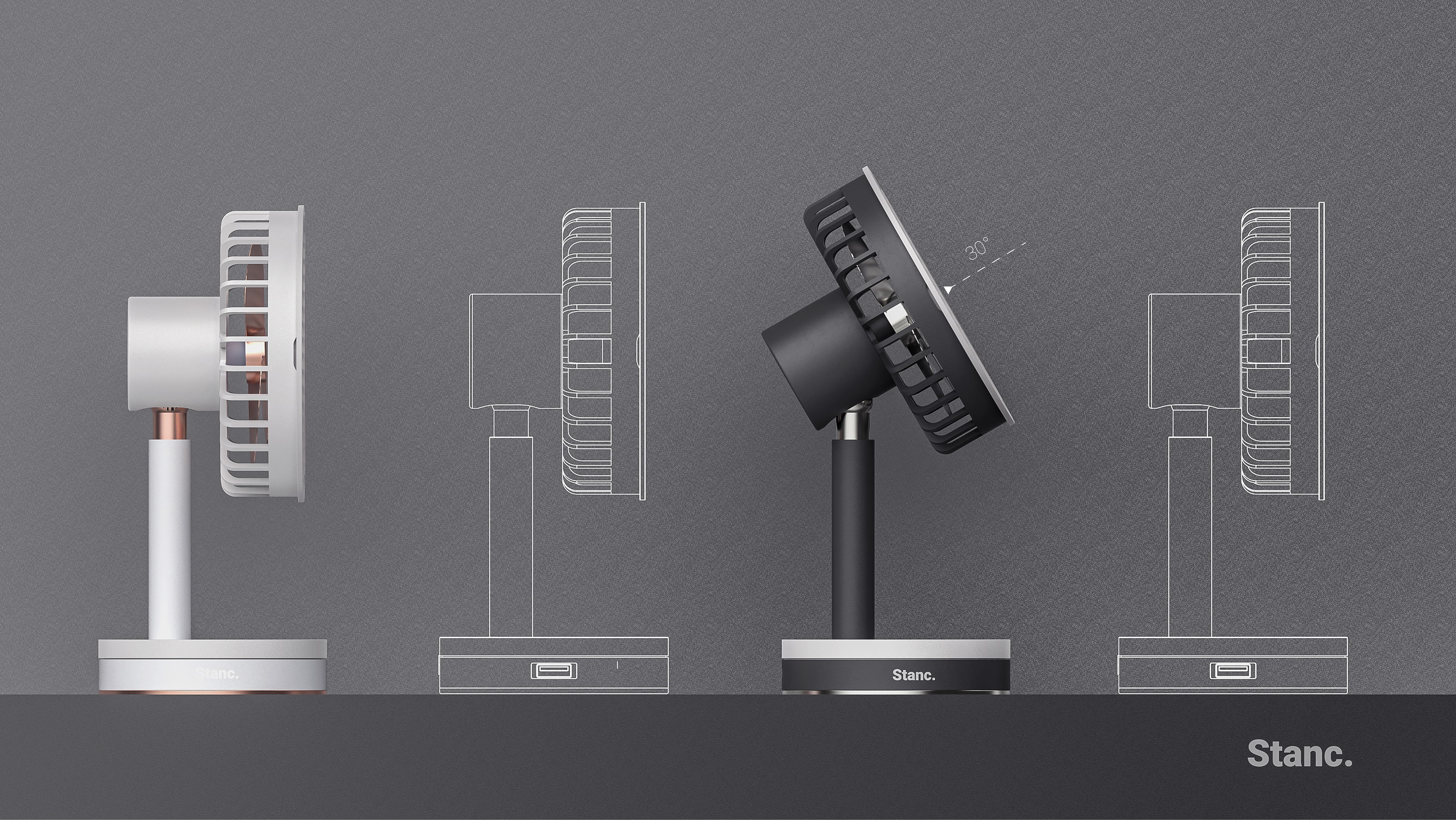
A 30-degree vertical rotation is to direct the fan towards the user's face.
Human product interaction.
/product touchpoints
/product touchpoints
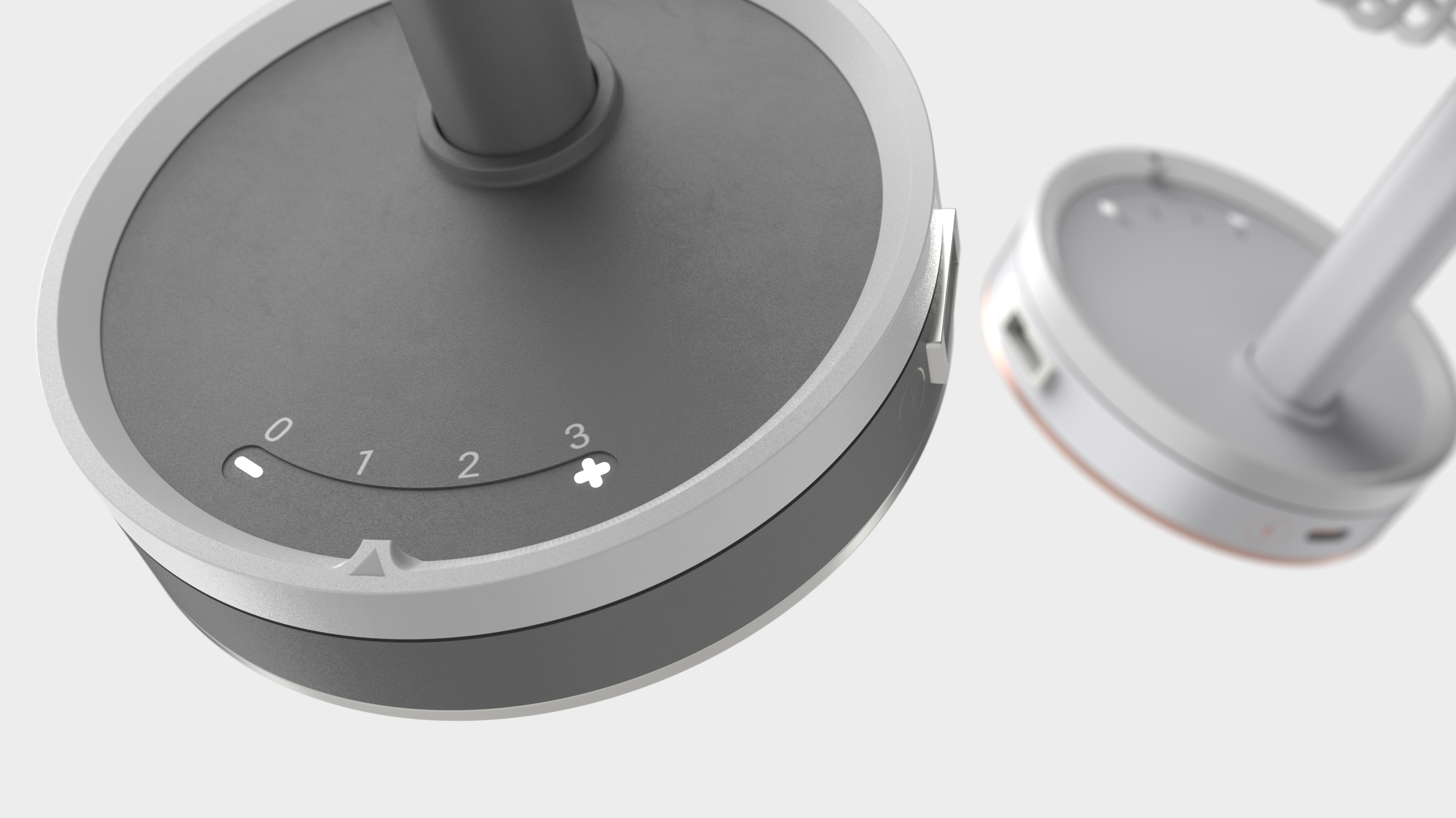
The control knob is designed like a wheel, allowing the user to intuitively rotate it to adjust the fan speed. Its tactile interaction, combined with subtle sound feedback, makes the control feel more engaging and responsive.
Two LED indicators communicate the ON/OFF status and provide a visual indication of the selected fan speed.
Design feature.
/USB connectivity
/USB connectivity
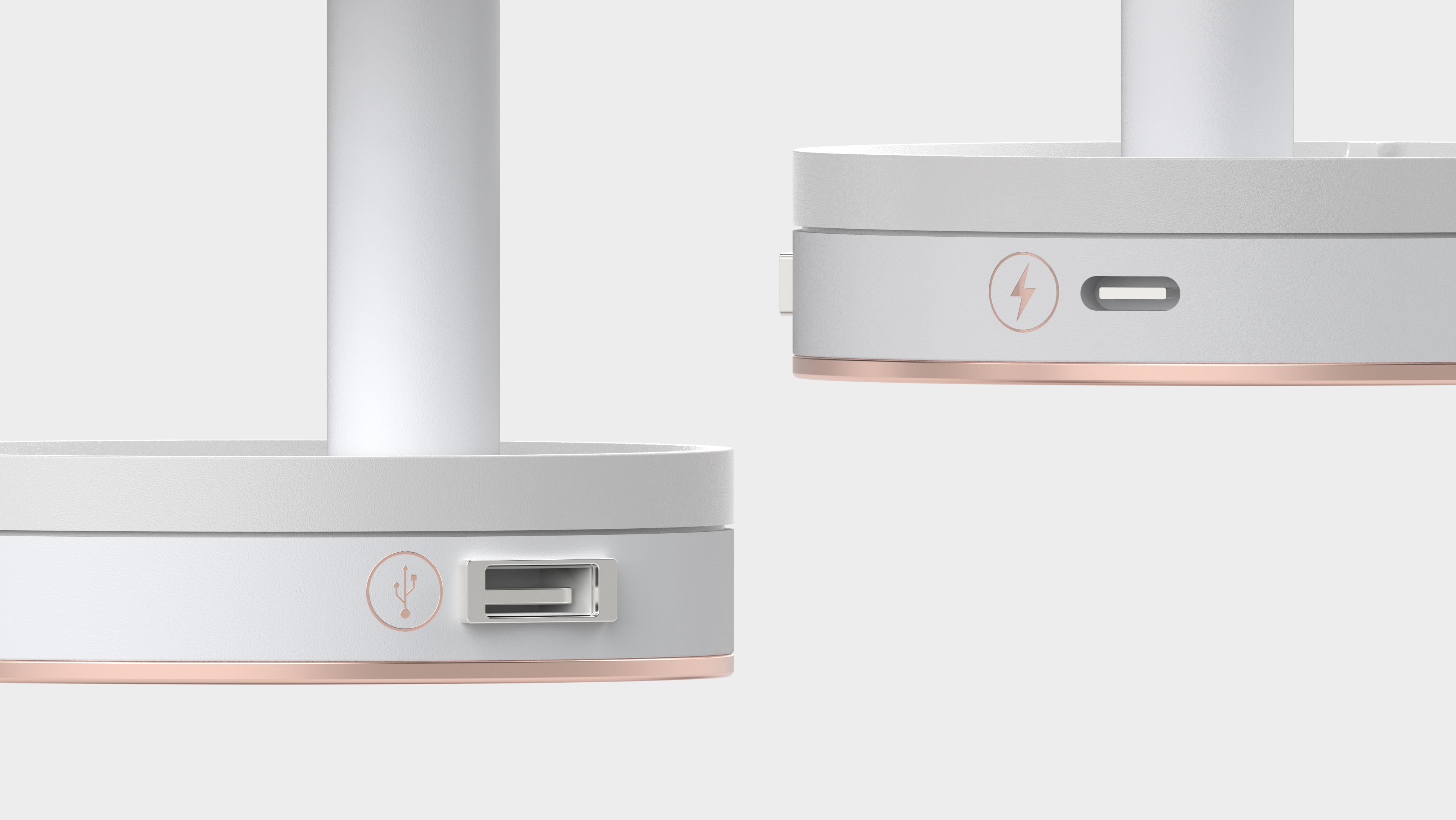
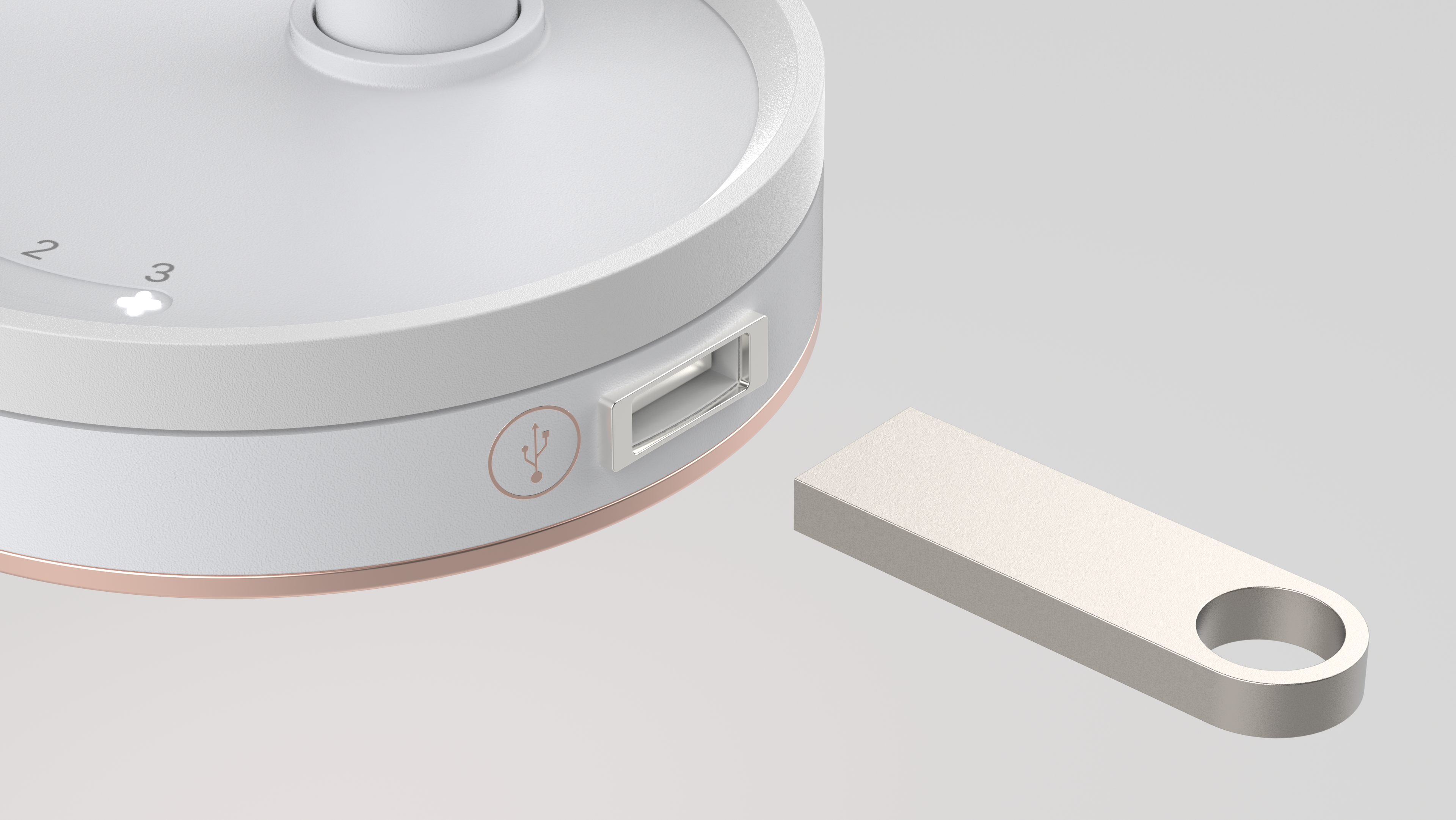
The fan is USB-powered, using one of the computer’s USB ports. A dedicated USB dock compensates for the occupied port, allowing users to connect other devices or transfer data without losing connectivity.
Design feature.
/an IKEA effect
/an IKEA effect
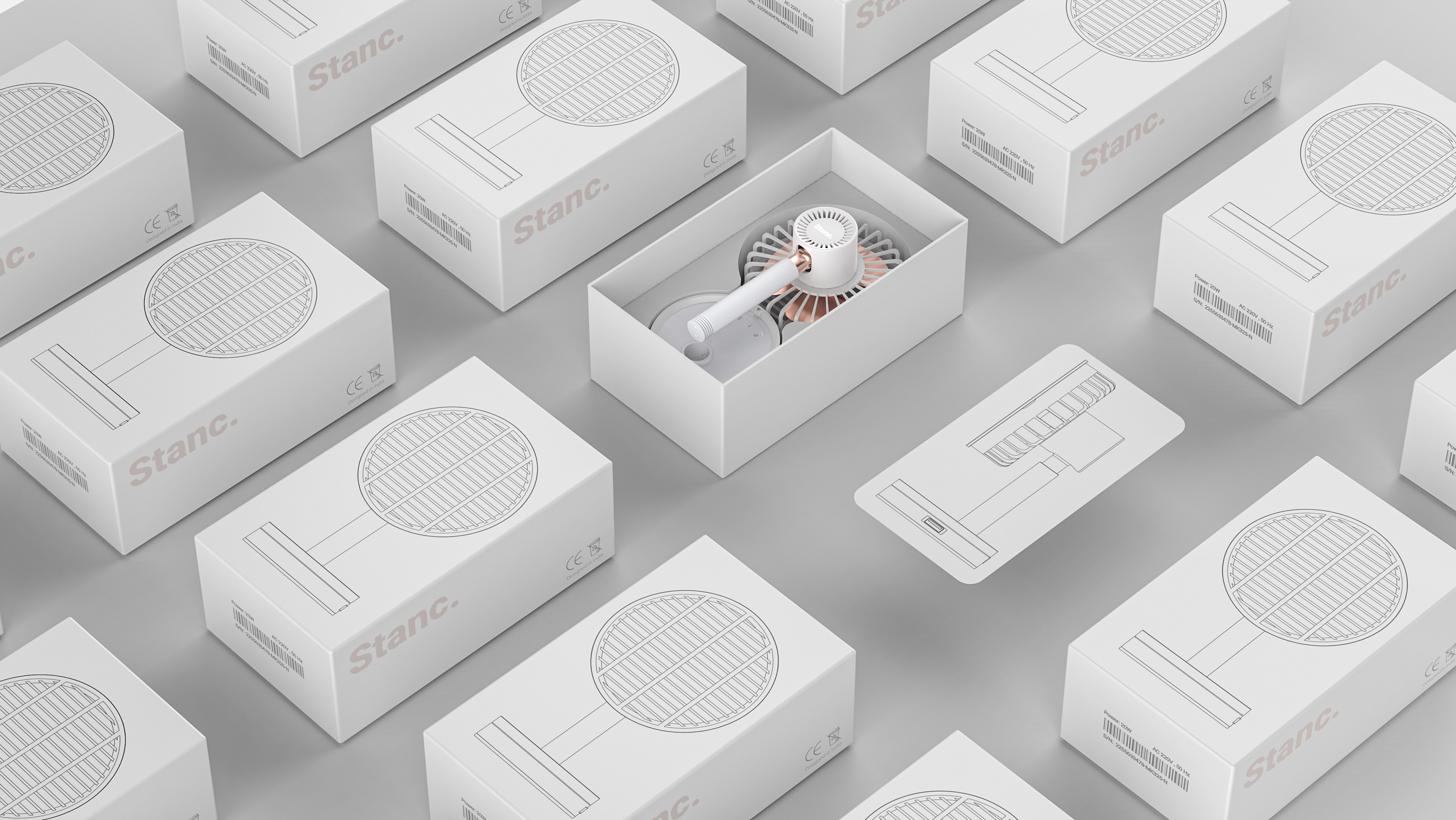
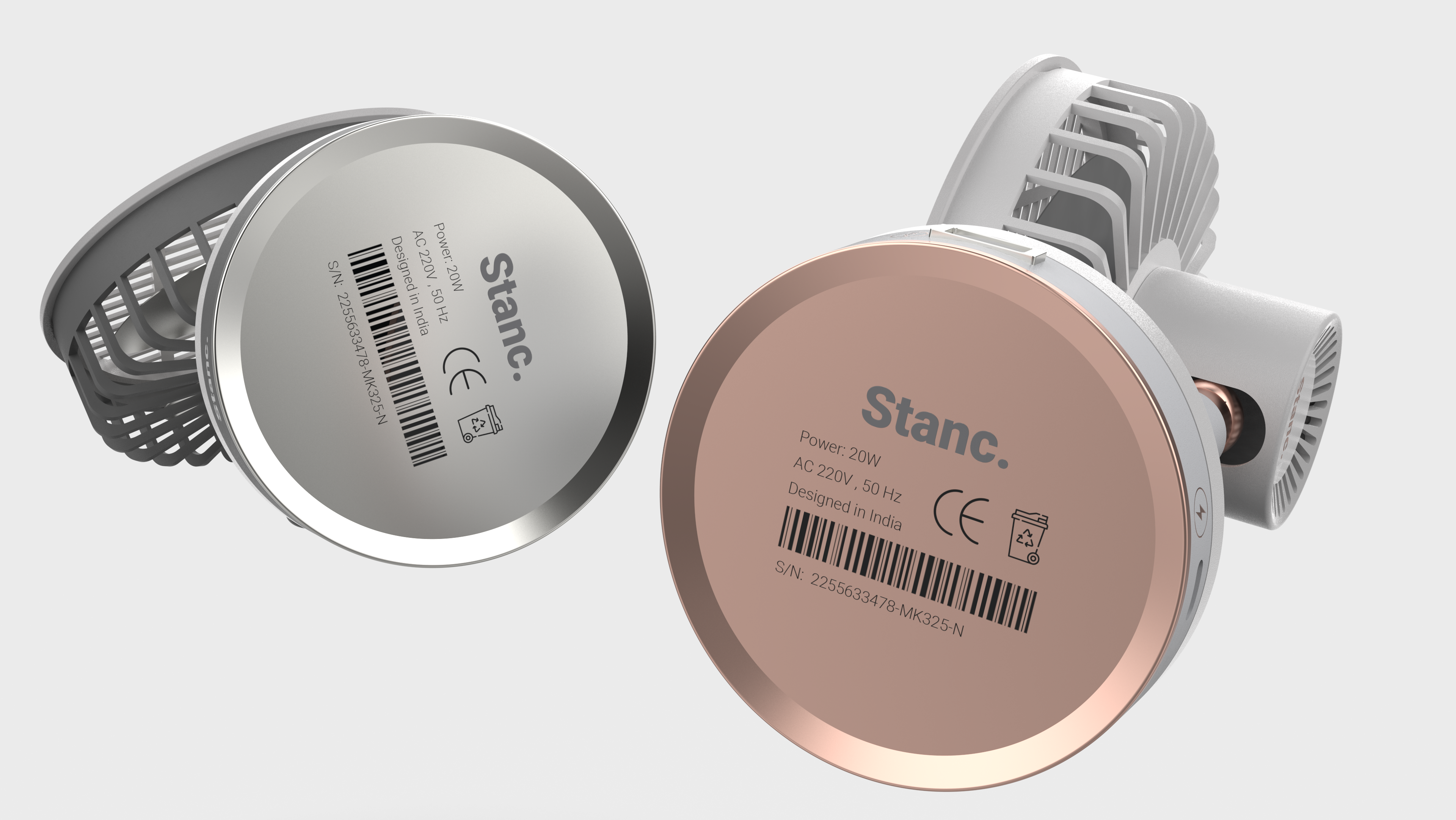
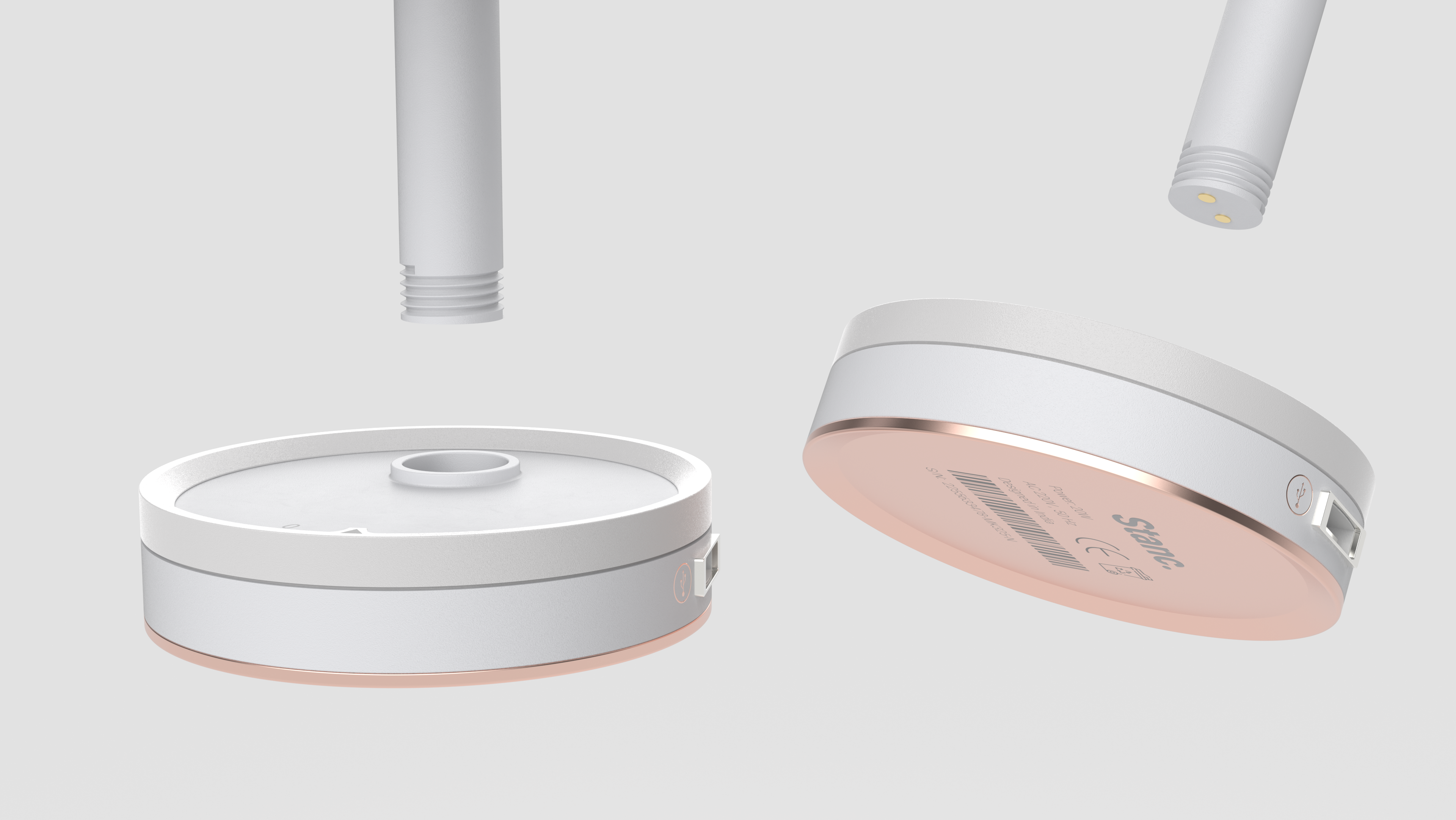
Partial assembly gives users an opportunity to participate in creating the product, building a stronger sense of ownership and personal connection.
The disassembly feature also enables a more compact package, improving packaging and storage efficiency.
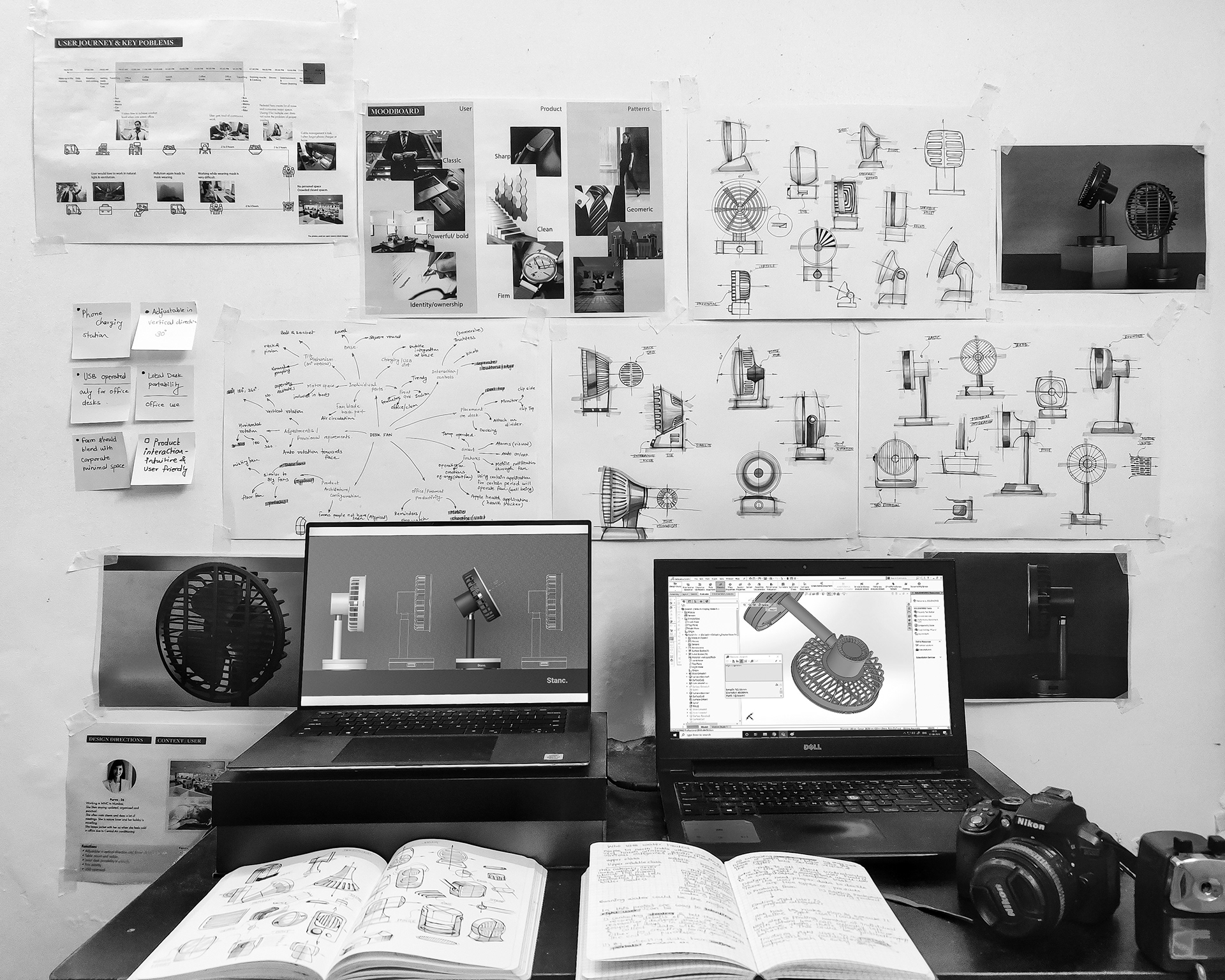
Product identity.
/packaging and branding
/packaging and branding
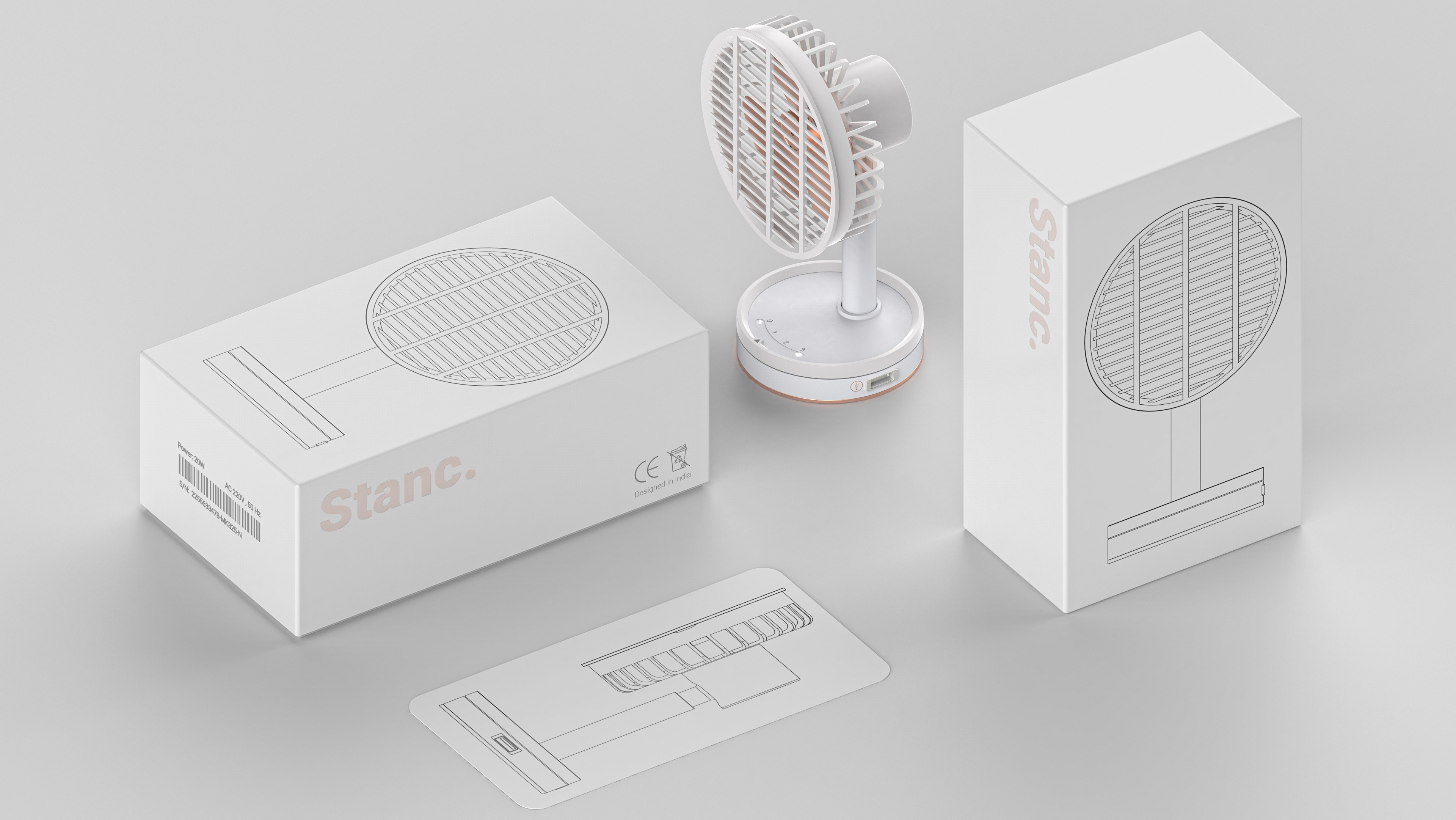
Stanc.
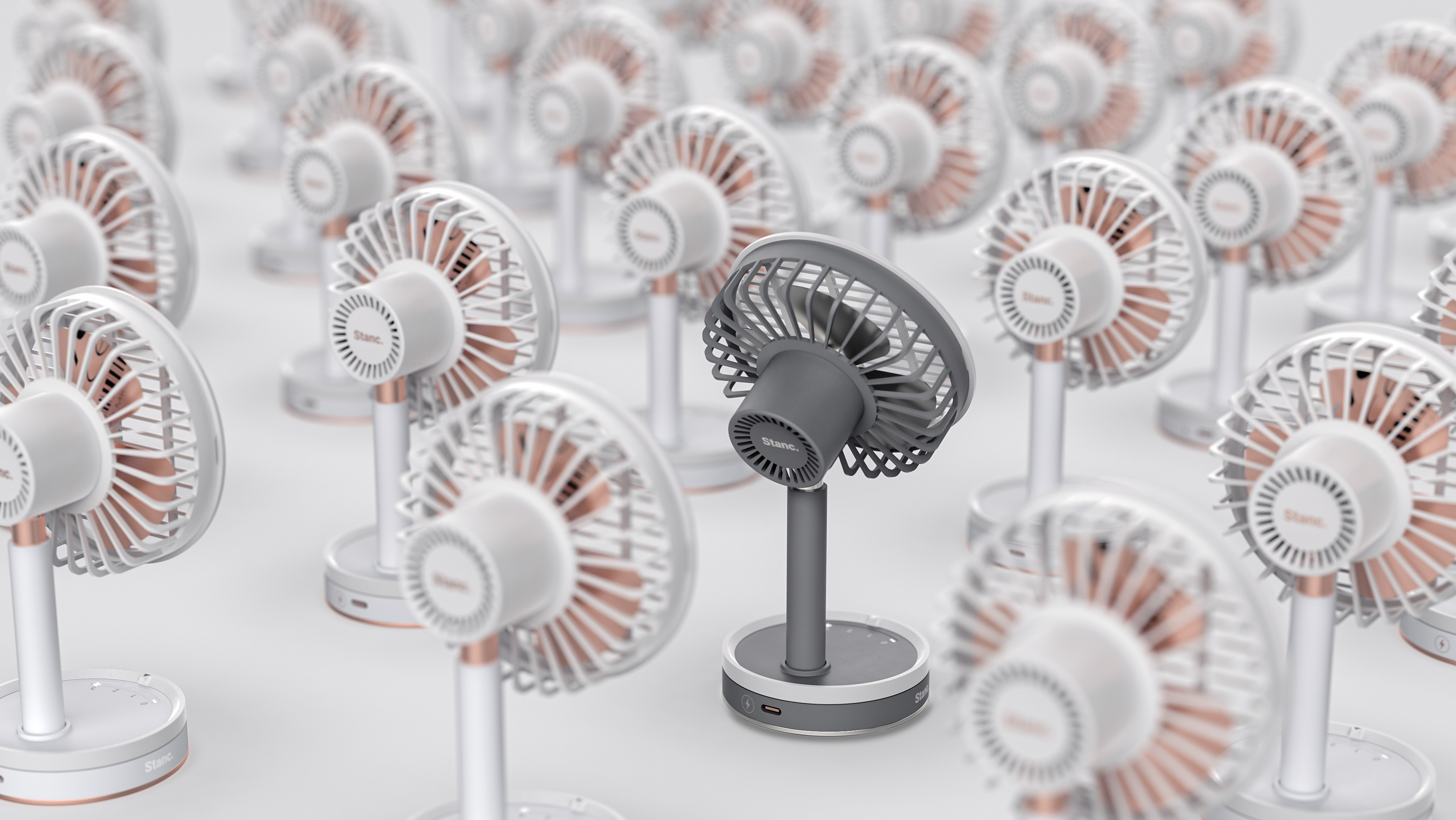
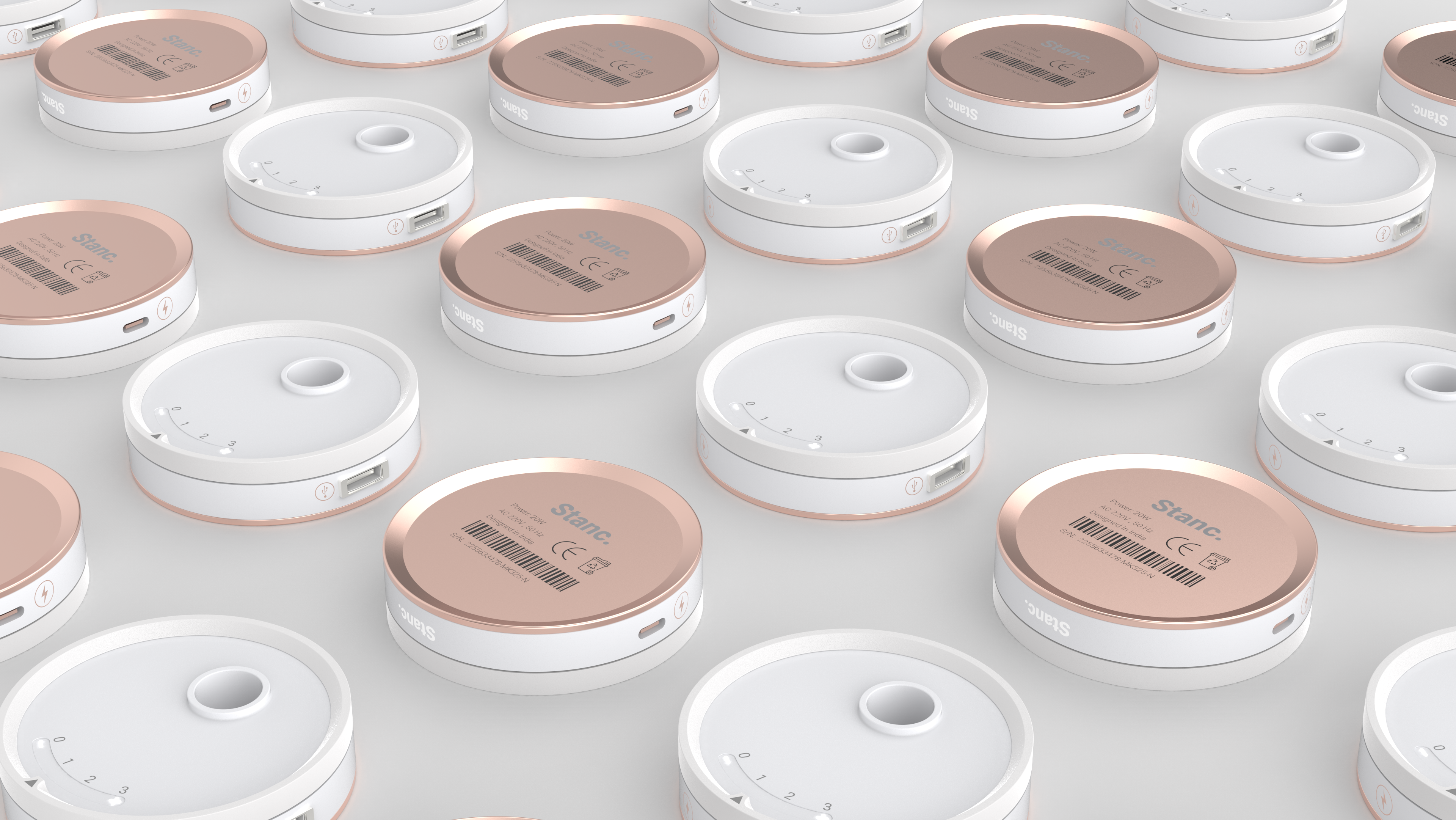
The word stance describes the nature and character of the product. Stanc desk fan has its unique posture, which makes it stand out from other similar products.